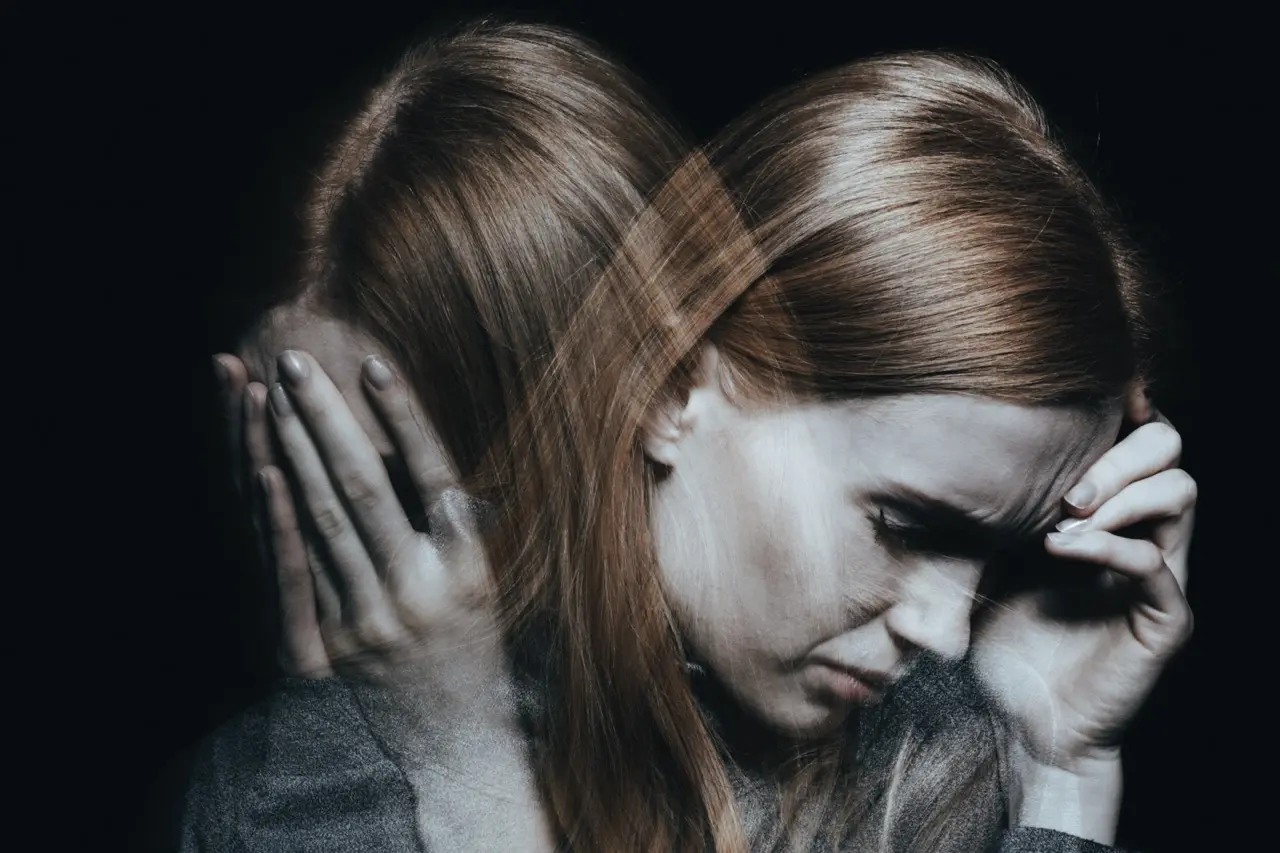

People who suffer from bipolar disorder experience extreme mood swings—from the intense highs of mania to the extreme lows of depression. The word “bipolar” refers to fluctuating between dramatic highs and lows.
Researchers estimate that 4.4% of U.S. adults experience bipolar disorder at some time in their lives. [1] For individuals struggling with this mental disorder—and for their loved ones and caretakers—this page provides vital information about bipolar disorder. The good news is that, with expert interventions, bipolar disorder can be effectively managed, allowing the people who experience it to live healthy and fulfilling lives.
Your results of this self-assessment are not a replacement for a professional diagnosis, nor is this test meant to be a proper diagnostic tool. Please use it only for educational purposes and talk to your doctor about all your symptoms.
Bipolar disorder—previously known as manic-depressive illness or manic depression—is a serious mental illness associated with dramatic shifts in mood, concentration, energy and activity levels, and the capacity to function in daily life. It can be either chronic (persistent or constantly reoccurring) or episodic (occurring occasionally and at irregular intervals) and can be a genetic risk.
Everyone experiences normal emotional highs and lows: moments of feeling joyful or excited and others of feeling sad or discouraged. This is part of being human. But with bipolar disorder, the range of such mood changes is pathologically extreme.
An individual with a bipolar illness will experience periods of significantly elevated mood: excitement, overactivity, and feelings of euphoria. This is the manic part of the cycle. And they will experience other periods—the depressive part of the cycle—of feeling sad, hopeless, despondent, and indifferent. These mood disorder episodes can last for days, weeks, or months.
The onset of bipolar disorder is usually in late adolescence or early adulthood. [2] The disease can significantly affect the lives of those who suffer from it and their caregivers.
People with bipolar disorder may encounter work, school, and interpersonal relationship difficulties. They are prone to suicide attempts and are likely to have additional physical and psychiatric illnesses (known as comorbidity). They may also experience various side effects from medications prescribed to manage bipolar disorder.
Psychiatrists and other mental health treatment professionals use the criteria described in the American Psychiatric Association’s Diagnostic and Statistical Manual of Mental Disorders, Fifth Edition (DSM-5), to diagnose bipolar disorder. In the DSM-5, bipolar disorders are described as a group of disorders that cause extreme fluctuation in a person’s mood, energy, and ability to function.
The specific symptoms of bipolar disorder will vary across individuals. What they all will have in common, however, are alternating mood episodes—some manic and others depressive. [3]
When a person has bipolar disorder and is having a manic episode, symptoms that may be present include [4]:
The manic phase of bipolar disorder can last for weeks or months before it gives way to the depressive phase [5].
When a person has bipolar disorder and is having a depressive episode, symptoms that may be present include [4] & [5]:
Similar to manic episodes, depressive episodes can last for weeks or months.
Some individuals with bipolar disorder may experience both manic and depressive symptoms in the same episode. This is known as an episode with mixed features. When a person experiences an episode with varied features, they can feel intensely sad or hopeless and extremely energized.
Occasionally, a person with bipolar disorder will have psychotic symptoms during a particularly severe manic or depressive episode. Such symptoms of psychosis can include:
A person experiencing a manic episode, for instance, may exhibit the psychotic symptom of believing that they have special powers or that they are being monitored by beings from outer space. A person experiencing a depressive episode may feel intensely guilty about something that they (incorrectly) believe they have done; or may feel that they don’t actually exist.
There are three types of bipolar disorder described in the DSM-5: bipolar I, bipolar II, and cyclothymic disorder. [6] All three types involve clear and dramatic mood, energy, and activity modulations. Someone who has bipolar disorder—regardless of the type—will cycle between being extremely energized or elated to feeling intensely sad, indifferent, or hopeless.
The first type of bipolar disorder (bipolar I) is characterized by manic episodes that last at least seven days or are so severe that the individual requires hospitalization. In this type, depressive episodes last at least two weeks.
The second type of bipolar disorder (bipolar II) is also characterized by a cycling of depressive episodes and hypomanic (a milder version of mania) episodes. However, the manic episodes are less severe than those in bipolar I disorder.
The third type of bipolar disorder (cyclothymia) is the mildest form of this disease. It is characterized by recurrent hypomanic and depressive symptoms (i.e., mood swings) that are not intense or long-lasting enough to qualify as hypomanic or depressive episodes.
Occasionally an individual may experience symptoms of bipolar disorder that do not fit into any of these three categories. In such cases, their condition is referred to (in the DSM-5) as “other specified and unspecified bipolar and related disorders.”
Among individuals diagnosed with bipolar disorder, there is variation in the timing and regularity of the manic and depressive episodes. Some people experience more depressive than manic episodes and vice versa.
Between episodes of depression and mania, a person may have periods where they experience a relatively normal mood.
Specific patterns that people with bipolar disorder may experience include:
Experts don’t know for sure what causes bipolar disorder. However, physiological, genetic, and environmental factors can all play a role in developing this mental disorder.
Researchers have discovered that the structure and function of the brain’s prefrontal cortex may differ in patients with bipolar disorder. [7] These results suggest that abnormalities in brain structure and function may play a role in the appearance of bipolar disorder. This kind of research will hopefully support the development of more successful treatments.
Is Bipolar disorder genetic? Bipolar disorder often runs in families, and there is strong evidence that people who have a parent or sibling with bipolar disorder are at increased risk of developing the genetic variant themselves. [8] However, studies of identical twins have discovered that one twin can develop bipolar disorder while the other does not. This shows that genes alone do not predetermine the development of bipolar disorder. [9]
For some individuals, symptoms of bipolar disorder may be triggered by a stressful event or challenging circumstances such as [10]:
The environment can affect these brain functions. These regions develop in childhood, meaning upbringing has a vast impact. Environmental factors are vital to understanding borderline personality disorder causes as well as brain function.
Although symptoms of the bipolar disorder come and go, the disease typically requires lifelong treatment. It doesn’t go away on its own.
Between episodes, an individual may be completely free from dramatic mood changes. Other people may experience lingering symptoms. In either case, long-term, continuous treatment can help people manage symptoms of bipolar disorder.
The overall goal of treatment for bipolar disorder is to reduce the number and severity of manic and depressive episodes and to allow the individual to live as everyday life as possible.
The good news is that skillful medical and psychiatric interventions, along with intelligent lifestyle choices, can enhance functioning and support an improved quality of life. A treatment plan featuring psychotherapy, medications, patient education, and robust support systems make bipolar disorders treatable [11].
Several medications can help prevent or reduce the severity of episodes of mania and depression. The prescribed medications will depend upon the patient’s unique circumstances. These medicines include:
Psychotherapy and counseling can be essential components of the treatment plan for people diagnosed with bipolar disorder. Mental health professionals help individuals identify and transform complex thoughts, emotions, and behaviors. Various forms of therapy can provide support, education, and guidance to people who have bipolar disorder.
Cognitive-behavioral therapy (CBT) can be an effective treatment for depression as well as insomnia—making it especially useful in the treatment of bipolar depression. Off-shoots of CBT include dialectical behavior therapy (DBT), acceptance and commitment therapy (ACT), and mindfulness-based cognitive therapy (MBCT).
Mindfulness-based cognitive therapy (MBCT) has an excellent track record in helping resolve anxiety and depression —making it an ideal option for people who have bipolar disorder. [12]
Eating well, exercising regularly, getting adequate sleep, spending time in nature, and planning healthy activities that one enjoys can help reduce the symptoms of bipolar disorder.
One of the common side effects of medications for bipolar disorder is weight gain. A healthy diet and regular exercise can limit this.
Avoiding alcohol and illegal drugs is another vital component of recovery from manic-depressive mood swings. Intelligent abstinence from these substances supports mental and physical stability.
Meditation, yoga, tai-chi, qigong, and Feldenkrais are holistic practices that can calm and harmonize the nervous system and help the person who has bipolar disorder to be less emotionally reactive.
Some people may find these less conventional treatments to be helpful in managing bipolar symptoms:
For those grappling with mental health disorders, finding the right treatment program is crucial for managing their condition and enhancing their quality of life.
Our directory is an invaluable resource for those seeking treatment for bipolar disorder, offering a curated list of mental health treatment centers in Orange County, California. These centers are equipped to provide expert care for this condition, employing a range of evidence-based therapeutic approaches.
The treatment centers listed specialize in various modalities, including psychotherapy and psychotropic medication management, to address the unique challenges of bipolar disorder. They understand the importance of personalized care in managing the highs and lows associated with this condition.
To support the healing process, skilled counselors and therapists may utilize proven therapeutic modalities such as:
Other modalities used to heal and enhance well-being include:
Recognizing that bipolar disorder can significantly impact not only the individual but also their friends and family, these centers offer comprehensive treatment plans. These plans often include skill-building for daily living, support for maintaining stability, and strategies to improve overall well-being.
By exploring our directory, you can find facilities that provide the support and treatment necessary for managing bipolar disorder, to help individuals achieve a balanced and fulfilling life. Each listing offers detailed information to help you make an informed decision about the best treatment option for you or your loved one.