

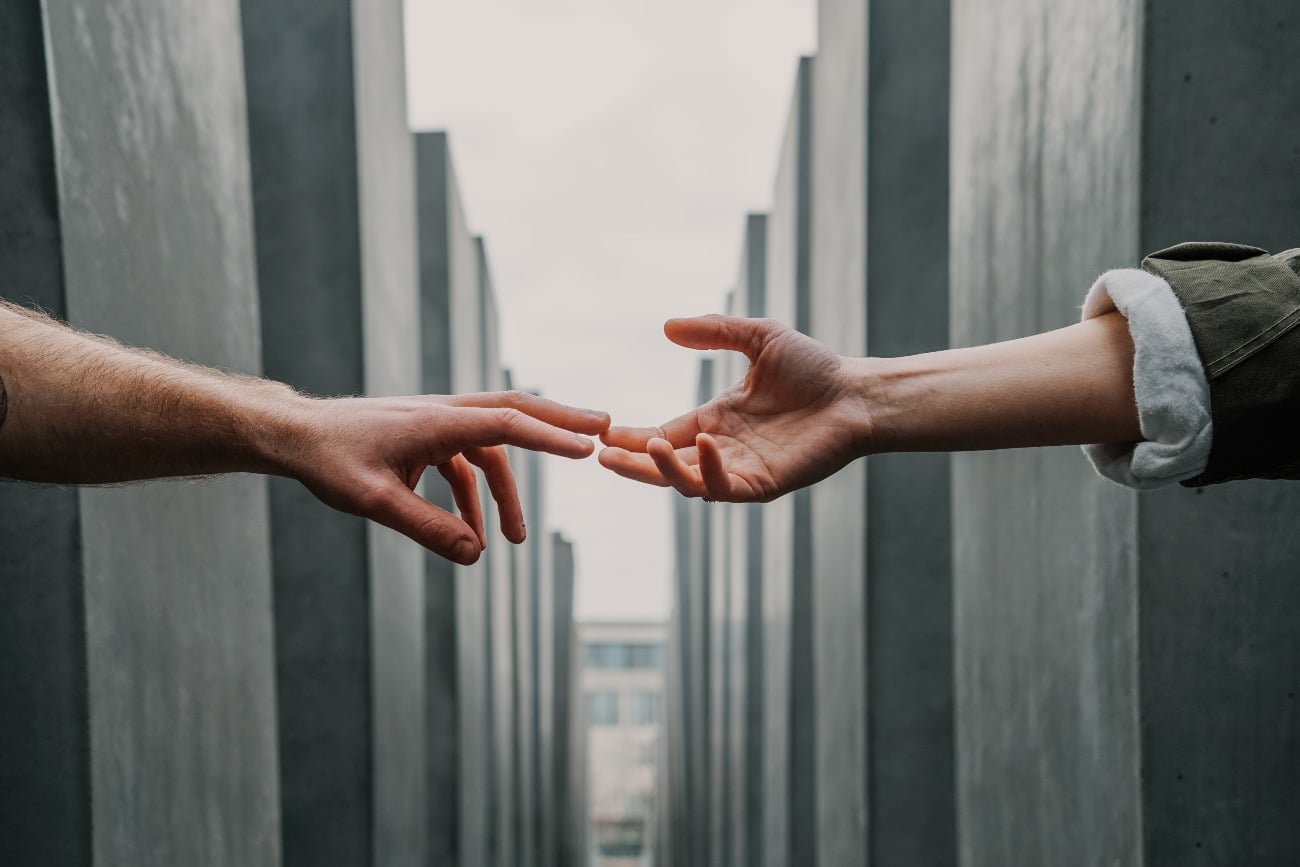


“Learn to get in touch with the silence within yourself and know that everything in this life has a purpose.” – Elizabeth Kübler-Ross.
Whether we realize it or not, we all need a purpose that fuels our passion and motivates us to move forward. Inner peace—often achieved through one’s spirituality or religion—calms our emotions and allows us to pursue things most important to us and our well-being.
Many of us have a religious upbringing and have experienced organized and structured practices toward a particular belief system. Spirituality, on the other hand, is primarily about the inner self and the search for life’s purpose. This article will discuss spirituality and its effects on how we navigate life.
Inner peace enables us to move forward confidently and with less turmoil. It is a psychological state of being practiced intentionally and sometimes through spirituality. Inner peace helps a person to remain calm during stressful situations. But how does one find inner peace?
Finding the way to peace and happiness is different for each individual. Reaching a state of inner peace involves cognitive and emotional control and training the mind through practices such as meditation and mindfulness. Yoga is also a commonly used technique for reaching a calm state.
Your core beliefs and values begin very early in life. They develop through cognitive input and experiences from childhood forward. Our beliefs about ourselves are ingrained during this time and affect our actions throughout life. Perspective or worldview may be distorted if our upbringing includes turmoil and lacks guidance, acceptance, and love. Interestingly, our perception of our world can change over time, but many of our core beliefs remain for life.
Religiosity is integral to some people’s core beliefs, as it is introduced in their lives from birth. The same can be said for individuals raised by spiritual parents. We learn from birth, and knowledge fuels our emotions, decisions, and actions. The good news is we have free will and cognitive, critical thinking abilities, and we can change our worldview merely through experiences and absorbing knowledge as we go through life. Consequently, as adults, we are responsible for our well-being.
With all the beautiful and amazing things to ponder, one might wonder why they would even need to meditate or practice mindfulness. The fact that endless thoughts go through our brains at any given time warrants regulating and focusing our thoughts on our unique journey toward well-being. If there is a more focused way to think, it could not hurt to try it, do you agree?
Mindfulness is a mental state reached by awareness in the present moment. When practicing mindfulness, a person accepts their feelings and thoughts without the distraction of other factors. In other words, the person is acutely aware of their presence and the reality of the moment and acknowledges their mental and physical being and feelings without judgment.
Many people use mindfulness meditation for inner peace, but it is also an effective mental health aid. Studies show that this meditation is effective for the highly stressed and often over-taxed healthcare industry, especially during and since COVID-19. Stress can lead to depression and anxiety, mental health concerns that need immediate attention. Meditation is often prescribed as part of the treatment plan for depression.
Humans meditate in many different ways. Meditation can also be successfully practiced when a person is occupied, such as in a yoga exercise class. You may not be alone, and yet, still able to meditate. Technology enters the mix with meditation and relaxation applications, such as Headspace and Calm, accessed on your smartphone. Both apps are effective for relaxation, sleep, and meditation, as they contain exercises and breathing techniques to aid calmness and clear thinking.
Some treatment programs for addiction include belief in a higher power. Not all of those are religious; some are more reflective and spiritual. Whatever your belief system, research proves that they positively influence treatment and recovery for addiction and mental health issues. Twelve-Step programs are designed using Christian principles; however, working the program does not require acceptance of God. Many use the program successfully, using their religious beliefs or spirituality or refraining from accepting a higher power.
Other treatment programs designed for addiction and mental health concerns include:
These techniques are presented to heal mental, physical, and emotional damage incurred by addiction and other disorders.
Inner peace enhances our lives and allows for patience and appreciation of ourselves and others. Spirituality is one medium by which to foster inner peace. If you are in turmoil or feel a loss of control, reach out to someone for help, whether a trusted loved one, a therapist, or a healthcare professional. That important first step can be the beginning of your journey toward happiness and well-being.
SoCal Mental Health is committed to guiding you towards treatment centers that focus on holistic wellness, encompassing not just mental but also physical, social, and spiritual well-being. In Southern California, various facilities recognize the importance of this comprehensive approach to health. Meditation and mindfulness are key components of many treatment programs, helping individuals connect with themselves and find a sense of balance.
These treatment centers include meditation and mindfulness techniques as part of their mental health and substance abuse programs, aiding in the treatment and recovery process. If you’re feeling overwhelmed by mental health issues like depression or anxiety, or struggling with substance abuse, there is support available for you. Our directory lists facilities that offer programs specifically designed to meet your individual needs.
You don’t have to face these challenges alone. Explore our directory to find treatment centers in Southern California that can provide the holistic care you need. Reach out to these facilities to learn more about their programs and how they can support your journey toward recovery and overall well-being.